Peptides/Recovery and injury
BPC-157
Also sold as Body Protection Compound 157, Pentadecapeptide BPC 157
The most talked-about recovery peptide online, with three decades of animal research behind it and a following that keeps growing.
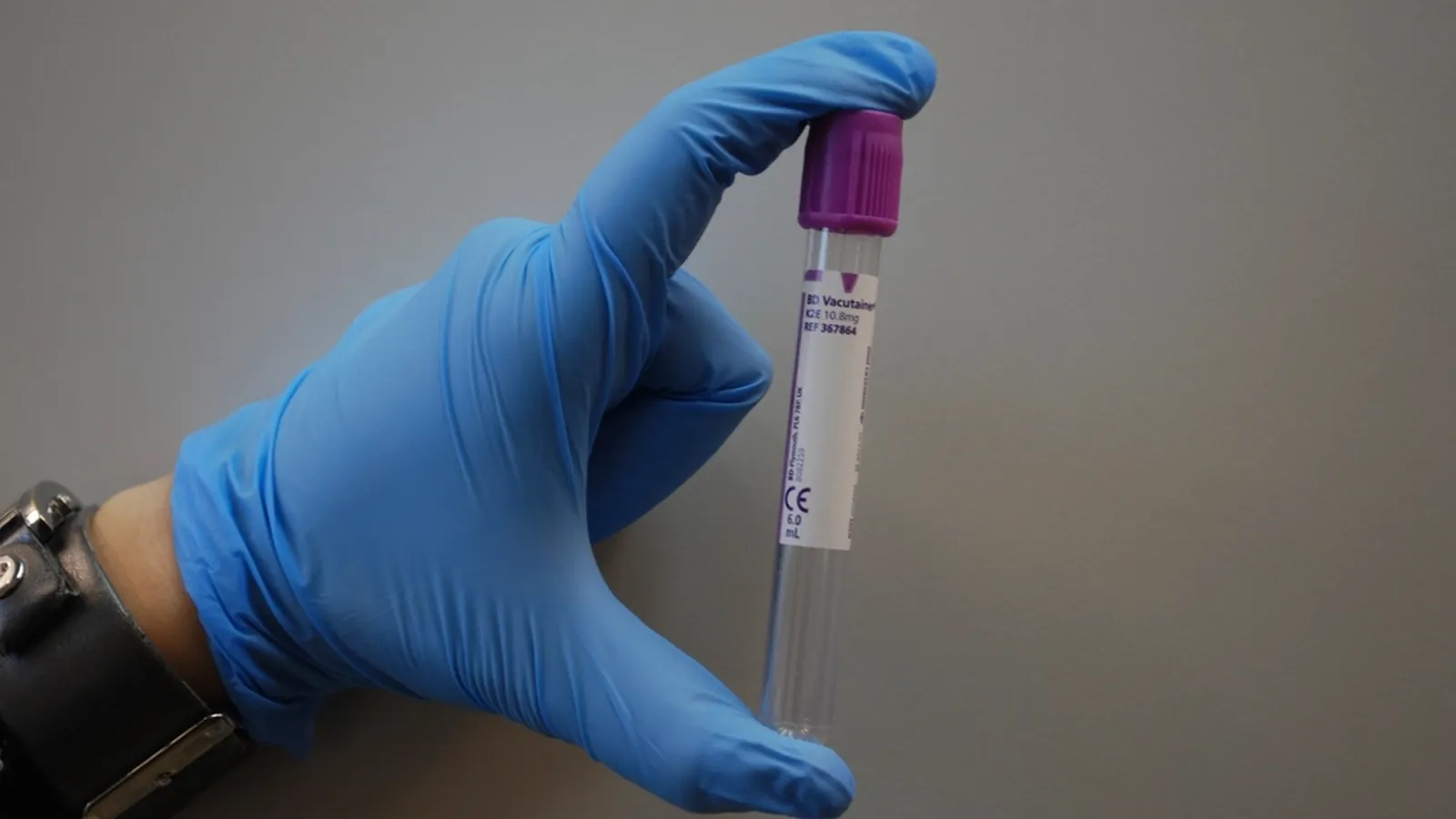

At a glance
What people use it for
- Tendon, ligament and muscle injuries that are slow to settle
- Gut comfort, and stomach irritation from painkillers
- Faster recovery between hard training sessions
How it is taken
Usually a powder reconstituted for subcutaneous injection near the injury site. Capsules are sold too, though a peptide this size rarely survives digestion.
Evidence
No human trials yet
Best known for
- The peptide most associated with tendon and ligament recovery
- Thirty years of animal research, much of it on tissue and gut healing
- Injected near the injury rather than taken systemically
- Often paired with TB-500 as a recovery stack
BPC-157 is a chain of fifteen amino acids based on a fragment of a protein found in human stomach fluid. If you have heard about peptides from a gym, a podcast or a physiotherapist, this is almost certainly the one you heard about.
It has thirty years of research behind it, a mechanism that makes intuitive sense, and a reputation built almost entirely on word of mouth. It is worth understanding properly, because the story is more interesting than either its fans or its critics tend to tell it.
Why people are talking about it
The appeal is easy to see. Tendons and ligaments heal slowly, and conventional medicine has relatively little to offer someone whose shoulder has been sore for eight months beyond rest, loading and patience. A compound that speeds that up would be genuinely useful, and BPC-157 is the one people have settled on as the candidate.


What makes it unusual among peptides is where it came from. This is not a designed drug that went looking for a use. It was isolated from a protective protein the stomach already produces, which is where the name comes from, and the research followed the biology rather than the other way round.
The stories people tell about it are enthusiastic, consistent, and worth taking seriously as a reason to look closely.
What people take it for
Injuries that have stopped improving, mostly. Tendons and ligaments especially. People also take it for gut irritation, and to shorten the recovery window between heavy training weeks.
Tendon and ligament repair
The claim is that a torn tendon or a strained ligament repairs faster than it otherwise would. In rodent studies the compound has been associated with increased fibroblast activity and with growth factor signalling at the injury site, including effects on the JAK2 pathway in tendon cells.
In practice that describes the cells that lay down new collagen becoming more active, and becoming more responsive to signals the body already sends to an injury. Not a new repair process, but the existing one running harder. This has been measured in rats and in cell culture.
Gut protection
The gut claim is the older of the two, and it is where the compound started. Rat work reports protection against stomach and intestinal damage caused by anti-inflammatory drugs and by alcohol, along with faster closure of experimental ulcers.
Put another way, the animal data describes a stomach lining that holds up better against something known to injure it. That body of work is extensive and reasonably consistent.
Recovery between hard training
What people describe here is soreness settling sooner and being able to train again earlier. The mechanism usually offered is angiogenesis, the growth of new blood vessels into tissue: more blood reaching a working muscle means more oxygen, and more of the raw material a repair needs.
This is the vaguest of the three claims, and it rests on extrapolation from the tissue-healing work rather than on studies that measured training recovery directly.
What the evidence shows
In animals, quite a lot. Faster healing of tendon, muscle and gut tissue, protection against stomach damage from anti-inflammatories, and measurable effects on new blood vessel growth. The proposed mechanism centres on angiogenesis and on interaction with nitric oxide and growth factor pathways.

In people, the picture is thinner. There is an early phase 1 safety study, and work in inflammatory bowel disease that was never published as a completed efficacy trial. The trial that would settle whether it heals a human tendon has not been finished.
Two structural details are worth knowing when reading the literature. The first is that most of the rat work comes from a single research group, so a hundred papers represents less independent confirmation than the number suggests. The second is route: much of the animal work injects directly into the abdominal cavity or the muscle, and some uses oral dosing in a species whose digestion is not ours.
How it is taken
Protocols circulating in user communities describe daily subcutaneous injection, often near the site of the injury, in courses of a few weeks. Capsules are also widely sold.
Those numbers do not come from a trial, because the trial has not been completed. They trace back to animal dosing converted by rules of thumb, and to accumulated community practice. Our guide to reconstituting a peptide vial covers the mechanics of mixing one.
How it compares
Against TB-500
TB-500 is the compound BPC-157 is most often stacked with, and the pairing is sold as a healing stack. Both have real animal biology behind them, and both are missing the human injury trial. Taking them together makes any personal result impossible to attribute to either.

Against conventional care
Physiotherapy, progressive loading and time have actual trial evidence behind them for tendon problems. They are slower and considerably less interesting than an injection, and they are the comparison worth making. The two are not mutually exclusive, and most people using BPC-157 for an injury are doing the rehabilitation work as well.
Common questions
Does it work?
In rats, on several measures, reasonably convincingly. In people, the question is open, because the study that would answer it has not been completed.
Do the oral capsules do anything?
There is no human evidence that they do. A peptide of this size and type is not expected to survive digestion intact, and the animal oral work does not transfer cleanly.
Why are there so many studies?
The gut research programme ran for decades and generated a large literature. The number of papers is not the same as the amount of independent confirmation, though, because most of them come from one group working in one species.
How long do people take it for?
Community protocols usually describe courses of four to six weeks rather than continuous use, timed around a specific injury.
Our longer write-up is at BPC-157: what the evidence actually shows.
Last reviewed .