Peptides/Weight and appetite
Semaglutide
Also sold as Ozempic, Wegovy, Rybelsus
The weekly injection behind Ozempic and Wegovy, and the best evidenced weight loss medicine most people will ever be offered.


At a glance
What people use it for
- Losing a significant amount of weight
- Quietening constant thoughts about food
- Managing type 2 diabetes
- Reducing heart attack and stroke risk
How it is taken
A once-weekly injection into the stomach, thigh or upper arm, using a pre-filled pen. A daily tablet version also exists.
Evidence
Strong human evidence
Best known for
- The strongest trial evidence of anything covered on this site
- Around 15% of body weight lost over 68 weeks in the STEP trials
- A 20% lower rate of cardiovascular events in SELECT
- One injection a week, or a daily tablet for diabetes
Semaglutide is a peptide, and it is the most effective weight loss medicine most people will ever be offered. It copies a gut hormone called GLP-1 that your body already makes after a meal, the one that tells your brain you have had enough. The natural version lasts about two minutes. Semaglutide lasts about a week.
It is sold as Ozempic and Rybelsus for type 2 diabetes and as Wegovy for weight, which is one molecule under three names at different doses. The long-running argument about "Ozempic for weight loss" is really an argument about supply and licensing rather than about two different drugs.
Why people are talking about it
Because it works, and because the size of the effect took the field by surprise. Weight loss medicine before this was a story of single-digit percentages and disappointing trials. Semaglutide moved the numbers into a range that had previously needed surgery.
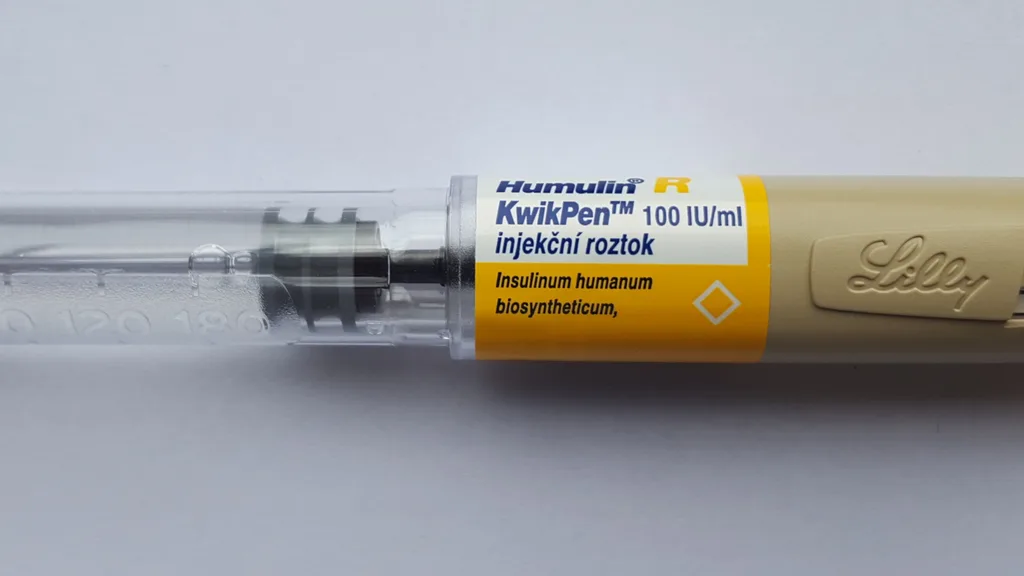
.jpg)
The second reason is that it turned out to do more than move weight. The cardiovascular trial found fewer heart attacks and strokes in people who already had heart disease, which reframed it from a cosmetic medicine into a preventive one.
What it actually feels like
People describe it as the volume being turned down. The constant background negotiation about snacks quietens. Meals finish earlier because you feel full sooner, and the feeling lasts. Nobody has to white-knuckle their way through the afternoon.
That is the honest mechanism. It is not burning fat or speeding up metabolism. It makes eating less feel normal instead of like a fight.
Two smaller effects come with it. Semaglutide slows how quickly the stomach empties, which is part of why meals feel filling for longer, and it acts on appetite centres in the brain directly, which is the part users describe as the food noise going quiet.
Nausea is the common early complaint, worst in the first weeks and in the days after each dose increase. For most people it settles. The dose schedule starts low and steps up slowly for exactly that reason, and rushing it is the most common self-inflicted misery.
What the evidence shows
This is the rare page on this site where the answer is straightforward. In the STEP trials, adults on the weight loss dose lost roughly 15% of their body weight over 68 weeks, against about 2.4% on placebo. In the SELECT trial, people with existing heart disease had around a 20% lower rate of heart attacks, strokes and cardiovascular death. These were large, randomised, placebo-controlled trials across tens of thousands of people.


For diabetes, it lowers blood sugar reliably and has been prescribed for that purpose since 2017.
Two further points give the picture its shape. The average hides a wide spread: some people lose a quarter of their body weight and some lose almost nothing, and there is no reliable way to know in advance which group someone is in. And for anyone who already has heart disease, the cardiovascular result matters more than the weight figure, because it was measured as events rather than as a number on a scale.
One practical note that the trials make clear. Rapid weight loss takes lean tissue along with fat, and body composition data suggests a meaningful share of the total is not fat. That is why protein intake and resistance training keep being mentioned alongside these medicines, and it matters more with age.
How it is taken
The licensed products are pen injections given once a week, into the stomach, thigh or upper arm, plus a daily tablet version for diabetes. Doses start low and step up at intervals of about four weeks, which is a tolerance schedule rather than a delay.
The tablet is worth a note because it is poorly absorbed by design, and comes with instructions about timing relative to food and other medicines. Taking it casually is the main way people get nothing from it.
Escalation and stopping are decisions for the prescriber who knows your history.
How it compares
Against tirzepatide
Tirzepatide acts on two gut hormone receptors rather than one, and produced more weight loss when the two were compared directly in SURPASS-2. Semaglutide has the longer record and the completed cardiovascular outcome trial, which is why it remains the first choice for many prescribers.

.jpg)
Against liraglutide
Liraglutide is the same family, cleared faster, injected daily, and produces roughly half the weight loss. It stays useful mainly on availability, cost and its licence in younger patients.
Common questions
How quickly does it work?
Appetite usually changes within the first week or two, well before the scale does. Weight loss in the trials continued for more than a year before flattening out.
What happens if I stop?
Trials that stopped it saw most of the weight return within a year. Appetite regulation goes back to how it was, which is a fact about the medicine rather than a failure of willpower. It is a long-term treatment rather than a course.
Is it safe to use for years?
The diabetes record now runs close to a decade and the safety profile has held up. Nobody has data on someone taking it for thirty years, because the medicine has not existed that long.
Does it damage the thyroid?
A rare tumour seen in rodents has not translated into a demonstrated human risk. It is on the label regardless, and it rules out use for people with the specific inherited conditions named there.
Last reviewed .