Third-Party Testing and What a COA Proves
HPLC purity and mass spectrometry answer different questions. A certificate showing only one of them leaves the important one open.
By Callum Fairbairn ·
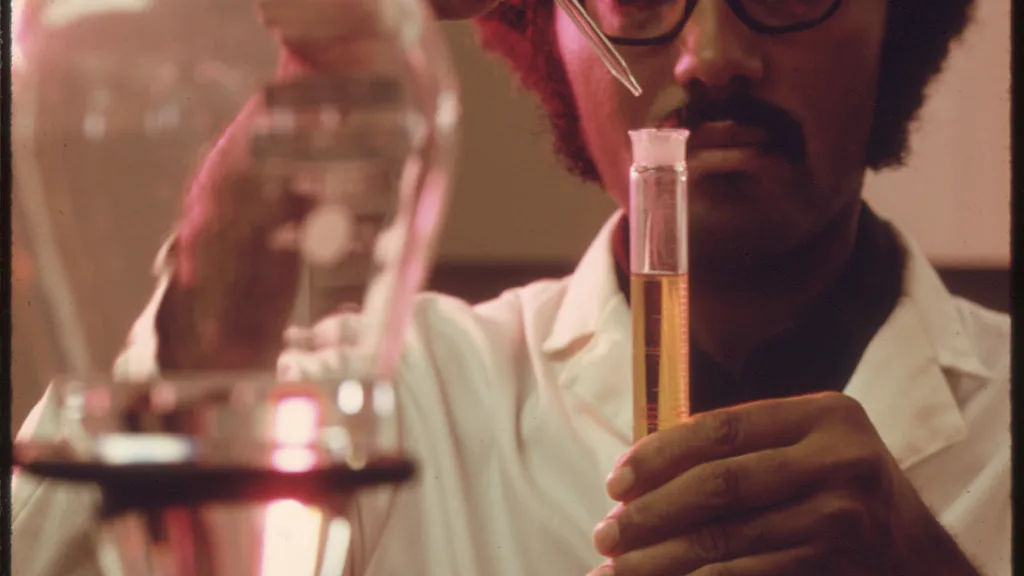
A certificate of analysis showing 99% purity does not tell you the vial contains the peptide on the label. Purity and identity are separate measurements, produced by different instruments, and vendors frequently publish only the first.
Purity, identity, and content are three questions
Identity asks whether the molecule is the one named. This is answered by mass spectrometry, which measures molecular weight. If the expected mass for the sequence is 1419.5 Da and the spectrum shows a different principal peak, the vial contains something else, however pure that something else is.
Purity asks what fraction of the peptide material is the target rather than related impurities such as truncated or deleted sequences. This is answered by HPLC, reported as an area percentage of the chromatogram.
Net peptide content asks what fraction of the powder in the vial is actually peptide. The rest is counterion, residual water and salt. This is answered by amino acid analysis or nitrogen determination, and it is the number vendors publish least often.
That third one surprises people. A synthetic peptide can be 99% pure by HPLC and still be only 70 to 80% peptide by mass, because trifluoroacetic acid from the purification step remains bound as a counterion and lyophilised powder holds water. Both numbers are honest. They answer different questions.
Reading a chromatogram without being a chemist
You do not need to interpret the trace in detail. Three things are checkable by eye.
Check the detection wavelength. Peptide bonds absorb at 214 nm. Aromatic side chains absorb at 254 nm and 280 nm. A chromatogram run only at 254 nm can miss impurities that lack aromatic residues, which flatters the purity figure. A serious certificate reports 214 nm.
Check that the integration covers the whole run rather than a window around the main peak. Cropping the x-axis removes late-eluting impurities from the calculation.
Check that the sample identifier and date on the certificate correspond to the batch you received. A certificate for a different lot, or with no lot number at all, is a marketing document.
Independent testing
Several laboratories accept samples directly from buyers and publish results. Sending a sample costs money and destroys part of what you bought, which is why almost nobody does it, and why community-funded batch testing is one of the genuinely useful things a forum can organise.
If you test, ask for mass spectrometry as well as HPLC. Identity is the question that a bad supply chain fails first, and it is the one a purity figure cannot answer.
What testing cannot tell you
Sterility, endotoxin load and the absence of heavy metals are separate assays that a standard peptide certificate does not include. Bacterial endotoxin in particular survives sterile filtration and is not visible, not detectable by smell, and not addressed by any purity figure.
This is the point where the gap between research-grade material and pharmaceutical manufacturing stops being a technicality. See BPC-157: What the Evidence Actually Shows for what "research use only" means legally, and the site disclaimer for the position this site takes.
Once you have material you believe is what it claims, handling is the next failure point: Storing and Handling Peptides Correctly.