BPC-157: What the Evidence Actually Shows
A pentadecapeptide with three decades of rodent studies, no completed human trials, and a regulatory status that surprises most people.
By Desmond Kowalski ·
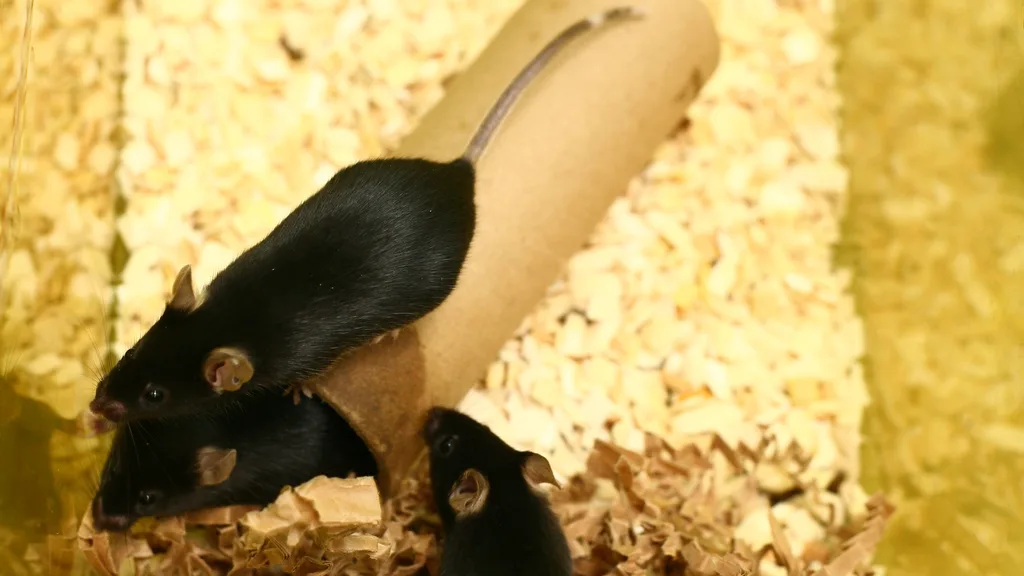

BPC-157 is a synthetic fifteen-residue peptide whose sequence comes from a fragment of a protein found in human gastric juice. It has been studied in animals since the early 1990s, mostly for tissue healing and gut protection. It has no completed published randomised controlled trial in humans, and it is not approved as a drug anywhere.
Both halves of that paragraph are usually reported without the other.
What the animal work shows
The preclinical record is substantial and reasonably consistent. In rodent models, BPC-157 has been associated with faster healing of tendon, ligament, muscle and gut tissue, protection against NSAID-induced gastric damage, and effects on blood vessel formation. The proposed mechanisms centre on angiogenesis and on interaction with nitric oxide and growth factor pathways.
Taken at face value that is an interesting profile. Taken with the checks from How to Read a Peptide Study Without Being Fooled, some caveats follow immediately.
The great majority of this literature originates from one research group. Sample sizes are typically small. Many of the healing outcomes are scored histologically, and blinding is not always described. Doses are frequently given intraperitoneally, a route with no clinical equivalent. None of this makes the results wrong. It does mean the body of evidence is narrower than the paper count suggests.
What human evidence exists
Very little. There is a published phase 1 safety study from the early 2000s and some work on inflammatory bowel disease that did not progress into a completed, published, controlled trial with efficacy outcomes. Searches for completed human efficacy trials come back close to empty.
So the honest summary is: three decades in, we do not know whether BPC-157 does anything useful in a human being. That is not a hostile reading. It is what the record contains.
The regulatory position
This is the part most people have not heard.
In 2023 the US Food and Drug Administration placed BPC-157 in Category 2 of its review of bulk drug substances for compounding, the category for substances raising significant safety risks. The practical effect is that compounding pharmacies in the United States cannot legally use it. It had already been the case that BPC-157 was not an approved drug and could not be lawfully sold for human consumption, which is why online vendors label it for research use.
It is also prohibited in sport. Non-approved substances fall under category S0 of the World Anti-Doping Agency prohibited list, which covers anything without current approval for human therapeutic use. An athlete subject to testing should treat BPC-157 as a positive test waiting to happen.
What would change the picture
A registered, adequately powered, blinded human trial with a registered primary outcome, run by a group with no commercial interest in the result, published whether or not it worked. Until something like that exists, everything else is inference from rats.
That trial is not obviously coming. There is no patent incentive for a well-characterised peptide fragment, which is a genuine structural problem in drug development and not a conspiracy. It does leave the evidence base where it is.
If you are evaluating a vial rather than the compound, Third-Party Testing and What a COA Proves is the more useful page.