Peptides/Weight and appetite
Liraglutide
Also sold as Saxenda, Victoza
The daily injection that came before Ozempic. Less weight loss than the weekly options, well studied, and often much easier to get.


At a glance
What people use it for
- Steady weight loss when weekly options are unavailable
- Managing type 2 diabetes
- Weight management in adolescents aged 12 and over
How it is taken
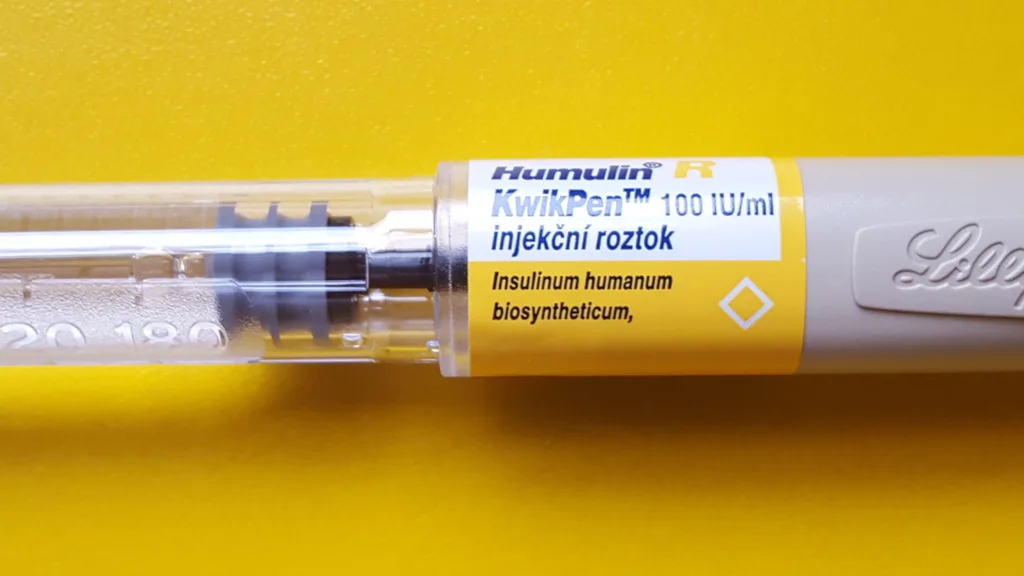
A daily injection under the skin, using a pre-filled pen.
Evidence
Strong human evidence
Best known for
- The longest safety record in the GLP-1 family, over a decade of use
- Around 8% of body weight lost over a year in the SCALE trials
- Reduced cardiovascular events in LEADER
- Generics have changed the price picture considerably
Liraglutide was the first GLP-1 medicine most people heard about, approved for diabetes in 2010 and for weight in 2014. It works the same way as semaglutide, copying the gut hormone that signals fullness. The difference is that it clears from the body faster, so it needs injecting every day rather than once a week.
It is sold as Victoza for type 2 diabetes and as Saxenda for weight management, and generic versions have arrived in several countries.
Why people are talking about it
Availability and price, mostly. When the weekly options are out of stock or out of budget, liraglutide is often there. A daily injection at a fraction of the cost of a weekly one is a different proposition for anyone paying out of pocket, and for health systems deciding who gets treated at all.
.jpg)
It also has the longest record in the family, with well over a decade of real-world use, and it is approved for adolescents from 12 years old, which the newer options are only beginning to catch up on.
What people take it for
Weight management and type 2 diabetes, on the same mechanism as the rest of the family: appetite settles, meals finish sooner, and the effort involved in eating less drops.
The adolescent licence gives it a role the newer drugs largely do not have yet, though that is a decision made in a paediatric service rather than a general one.
What the evidence shows
In the SCALE trials, adults lost roughly 8% of their body weight over a year, against about 2.6% on placebo. That is meaningful, and clearly less than the 15% seen with semaglutide or the 20% with tirzepatide.


The LEADER trial also showed reduced cardiovascular events in people with type 2 diabetes.
There is a depth of evidence here that the newer drugs do not have yet, simply because of age. Liraglutide has been through diabetes prevention work in people with prediabetes, adolescent trials, and more than a decade of post-marketing surveillance. If a rare harm existed in this drug class, liraglutide is where it would most likely have surfaced first, and it has not.
How it is taken
The licensed products are daily pen injections under the skin, with a stepwise increase over the first weeks. Saxenda and Victoza reach different maximum doses because they are licensed for different purposes.
Nausea is the common early complaint, concentrated in the weeks when the dose is going up, and it settles for most people. The escalation schedule is a clinical decision rather than a preference.
How it compares
Against semaglutide
Roughly half the weight loss, one injection a day instead of one a week, and a longer safety record. Adherence is the practical difference: people stay on weekly medicines longer, and a medicine nobody keeps taking stops working.

_237.jpg)
Against tirzepatide
The gap is larger still on weight, at about 8% against about 20%. Liraglutide stays in the conversation on cost, availability and its adolescent licence rather than on effect size.
Common questions
Is a daily injection much worse than a weekly one?
Clinically it makes little difference. In practice it is a common reason people stop, and discontinuation rates in real-world use run higher than for weekly drugs.
Is the generic the same medicine?
Generic liraglutide is held to the same regulatory standard as the branded product, which is a different situation entirely from a compounded vial.
Can teenagers take it?
It is licensed from 12 years old for weight management in specific circumstances.
Does the weight come back?
As with the rest of the family, appetite regulation returns to how it was after stopping. It behaves like a long-term treatment rather than a course.
Last reviewed .