Peptides/Weight and appetite
HGH Frag 176-191
Also sold as HGH fragment, Lipolytic fragment, AOD-9604 parent
The fat-burning tail of growth hormone, sold as a standalone fat loss injection and the parent of a compound that reached phase 2.

At a glance
What people use it for
- Marketed for fat loss without growth hormone's other effects
- Sold in weight loss injection blends
- Promoted for abdominal fat specifically
How it is taken
Sold as a powder for injection, and in oral and topical forms.
Evidence
No human trials yet
Best known for
- The last fifteen amino acids of human growth hormone
- The section associated specifically with breaking down fat
- Parent molecule of AOD-9604, which reached a phase 2b trial
- An old and genuinely elegant design idea
HGH Frag 176-191 is the last fifteen amino acids of human growth hormone, the section associated with breaking down fat. The idea behind it is old and appealing: keep the part of growth hormone that mobilises fat and leave behind the parts that raise blood sugar and grow tissue.
It is closely related to AOD-9604, which is this fragment with a tyrosine residue added to stabilise it. That relationship is the most useful fact on this page.
Why people are talking about it
The design. Growth hormone does several different things, and this is an attempt to take one of them on its own. As a piece of reasoning it is clean, and it is why the fragment has stayed in circulation for decades.


It also promises fat loss without appetite suppression, which is the opposite trade from the GLP-1 drugs and appeals to people who do not want their appetite touched.
What people take it for
Fat loss, particularly abdominal fat. It appears frequently in injectable blends alongside other ingredients.
Fat loss without the rest of growth hormone
The claim is mobilising stored fat while leaving blood sugar and tissue growth alone. The mechanism proposed is stimulation of lipolysis, the breakdown of stored triglycerides, through a route separate from the growth hormone receptor's other actions.
In practice that describes isolating one of a hormone's several jobs. The animal work behind it is decades old.
What the evidence shows
For the fragment itself, there is essentially nothing in humans. The animal work is old, and the human programme was run on the modified version rather than on this one.


That modified version is where the answer lies. AOD-9604 went through a phase 2b trial against placebo in obese adults over 12 weeks, and weight loss did not separate meaningfully from placebo. Development for obesity stopped there.
Given that the two molecules differ by a single added residue intended only to improve stability, that result is the most relevant evidence available for this one too.
Reported effects from use are injection site reactions and occasional flushing. Oral and topical versions are sold, and a peptide of this size is not expected to survive digestion or cross intact skin in quantity.
How it is taken
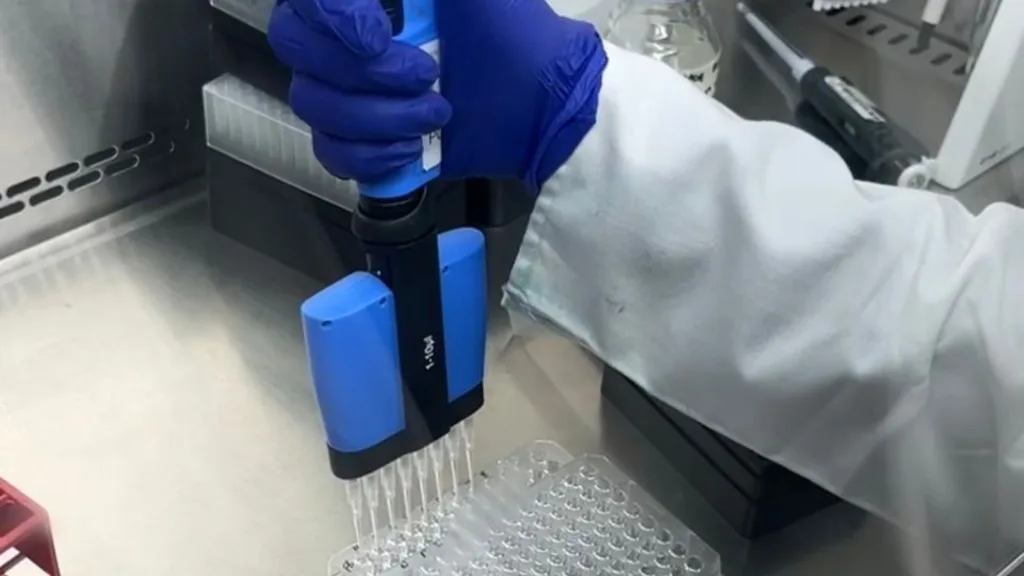
Sold as a powder for reconstitution and subcutaneous injection, often into abdominal fat on the reasoning that local injection produces local effect. That reasoning is not well supported for a compound acting systemically.
No human dose has been established.
How it compares
Against AOD-9604
AOD-9604 is this molecule stabilised, and it is the one that was actually tested. If you are choosing between reading about the two, read that page: it has the trial.

Against the GLP-1 drugs
Semaglutide and tirzepatide work through appetite rather than lipolysis, and have large completed trials behind them. They are the comparison anyone weighing this up should make.
Common questions
Is it the same as AOD-9604?
Almost. AOD-9604 is this fragment with one extra residue added for stability, and it is the version that went through a human trial.
Does it work?
No completed human trial has tested this fragment. Its stabilised relative was tested and did not beat placebo for weight loss.
Do the oral and topical versions do anything?
There is no human evidence that they do, and the molecule's size makes both routes implausible.
Why inject it into the stomach?
The idea is local fat mobilisation. It is not well supported for a compound that acts systemically.
Last reviewed .