Peptides/Sleep, mood and focus
Selank
Also sold as TP-7
A Russian anti-anxiety peptide, approved there and sold everywhere else as a nasal spray for calm without sedation.

At a glance
What people use it for
- Everyday anxiety without sedation
- Focus under stress
- Sleep, indirectly, by lowering anxiety
How it is taken
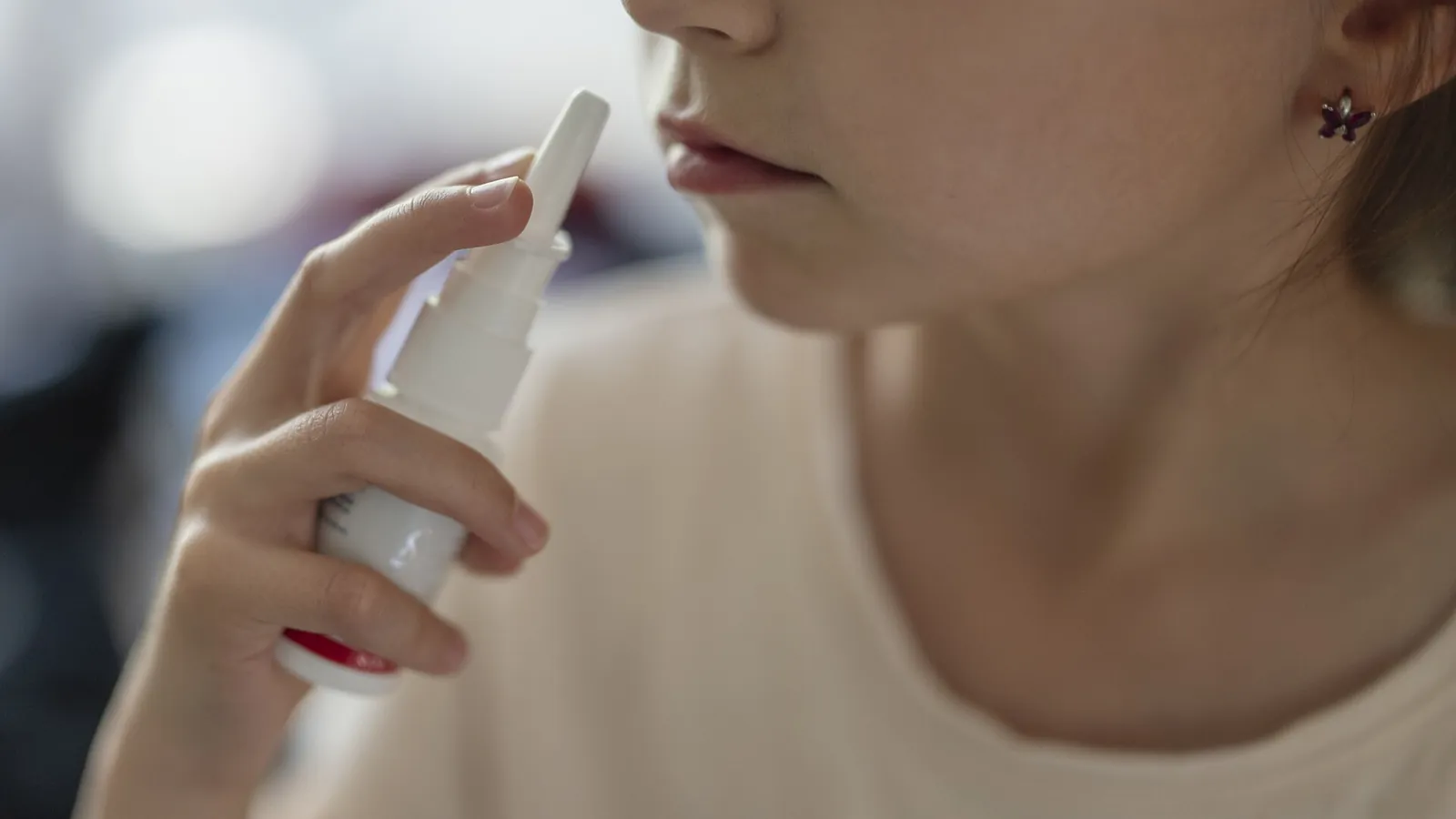
Sold as a nasal spray, occasionally as a powder for injection.
Evidence
Early human studies
Best known for
- An approved medicine in Russia, unusually for this category
- Reported to calm without the sedation of benzodiazepines
- Based on tuftsin, an immune fragment the body already makes
- Russian trials report anxiety reductions comparable to standard medicines
Selank is a short synthetic peptide based on tuftsin, an immune fragment your body makes. It was developed in Russia, where it is an approved medicine for anxiety.
Its evidence base is the most interesting thing about it, and the most important thing to understand before reading further.
Why people are talking about it
The promise is calm without fog. Benzodiazepines work quickly and bring sedation, tolerance and dependence with them. Selank is described in the Russian literature as producing the anxiolytic effect without those, which is an attractive proposition if it holds.


It also has an approval behind it, which almost nothing else in this category does. That approval is in one country, and that turns out to matter.
What people take it for
Anxiety without the fog, principally. People also use it for focus during stressful periods.
Anxiety without sedation
The claim is feeling less anxious while staying sharp. The mechanism described in the Russian literature involves effects on GABAergic signalling, on serotonin turnover, and on the enzyme that degrades enkephalins, which extends the action of the body's own calming peptides.
In practice that describes turning down the alarm without turning down the lights. Russian trials report anxiety reductions comparable to standard medicines in patients with generalised anxiety.
Focus under stress
The claim is clearer thinking during a demanding period, on the same anxiolytic activity plus reported effects on BDNF, a protein involved in maintaining neurons.
Whether that matters to a person depends on whether the anxiety was the thing blocking the focus. No trial has measured cognitive performance in healthy adults taking Selank.
Sleep
The claim is easier sleep, usually as a secondary effect of lower anxiety rather than sedation. That is a plausible chain, and no sleep study of Selank exists in the accessible literature.
What the evidence shows
There is human research, and this is where it gets interesting. Russian trials report reductions in anxiety comparable to standard medicines, along with effects on brain chemistry involving serotonin and BDNF.


Most of that work is published in Russian journals, is difficult to access, and has not been independently replicated in western trials. That does not make it wrong. It does mean the usual checks described in how to read a peptide study cannot be applied to it.
Reported effects are mild: nasal irritation from the spray, occasional headache, sometimes drowsiness at higher amounts. The Russian literature describes no dependence or withdrawal of the kind seen with benzodiazepines, which is one of its main selling points and comes from that same evidence base.
How it is taken
The Russian product is a nasal spray used in short courses of one to two weeks rather than continuously. What circulates elsewhere is generally a compounded spray or a powder sold for reconstitution.
With a nasal product the volume delivered per spray is small, so the concentration in the bottle matters more than it would for an injection.
How it compares
Against licensed anxiety treatments
SSRIs, and cognitive behavioural therapy in particular, have large independent evidence bases and are available through a GP. They are slower and less novel, and they are the comparison worth making.


Against benzodiazepines
Benzodiazepines work quickly and carry dependence, tolerance and withdrawal. Selank is promoted as the version of that without those costs, which is the central claim and the one that has not been checked outside Russia.
Against Semax
Semax comes from the same research programme and the same regulatory situation, aimed at focus and neuroprotection rather than anxiety. Everything said here about evidence access applies equally to it.
Common questions
Is it habit-forming?
The Russian literature reports no dependence or withdrawal. That is the evidence there is, and it has not been checked independently.
How quickly does it work?
Users describe an effect within hours, and Russian trial protocols run courses of one to two weeks.
Why a nasal spray?
The route gets a short peptide past digestion and into circulation quickly, which is why most of this Russian family is formulated that way.
How long are courses?
One to two weeks in the Russian protocols, rather than continuous use.
Last reviewed .