Peptides/Sold alongside peptides
NAD+
Also sold as Nicotinamide adenine dinucleotide, NAD
A coenzyme every cell already uses in enormous quantities, sold as an injection and as an IV drip for energy and ageing.

At a glance
What people use it for
- Marketed for energy and fatigue
- Sold in IV drips for ageing and recovery
- Promoted for focus and hangovers
How it is taken
Sold as a powder for injection, and given as an intravenous drip in wellness clinics.
Evidence
Early human studies
Best known for
- Essential to the reactions that extract energy from food
- Tissue levels genuinely do decline with age
- Its oral precursors have real human trials behind them
- One of the most established molecules in all of biochemistry
NAD+ is not a peptide. It is a coenzyme, a small molecule that every cell in your body already uses in enormous quantities to move electrons around during energy metabolism.
It is sold on the same shelf as peptides, in the same vials, to the same people, which is why it is covered here.
Why people are talking about it
Because the underlying biochemistry is not in dispute. NAD+ is essential to energy metabolism, and tissue levels do fall with age. That is textbook material, not a marketing claim, and it makes the pitch unusually credible-sounding.

The interesting question is the one step further on: whether putting NAD+ into a vein raises it inside cells where it is used. NAD+ is a large, charged molecule that does not cross cell membranes freely, and that is where the story gets complicated.
What people take it for
Energy and fatigue, mostly. It is also sold for ageing, for focus, and increasingly through drip clinics offering infusions by the hour.
Energy and fatigue
The claim is more energy at the cellular level, on the mechanism above.
In practice that describes a genuine biochemical fact being applied to a product. The unresolved step is the membrane one.
Ageing
The claim is slowed ageing through restored NAD+ levels. The research behind it is real and mostly concerns precursors rather than NAD+ itself.
Trials of nicotinamide riboside and nicotinamide mononucleotide reliably raise blood NAD+ levels, and have generally found modest effects on things a person would notice.
What the evidence shows
The distinction that matters is between NAD+ and its precursors.

Precursor trials exist in reasonable numbers. Oral nicotinamide riboside and nicotinamide mononucleotide have been tested in humans, they raise measurable NAD+ levels, and they are generally well tolerated. Functional benefits in healthy adults have been modest and inconsistent.
Injected or infused NAD+ itself has little controlled human evidence. Pharmacokinetic work suggests infused NAD+ is largely broken down and salvaged rather than taken up intact, which is the crux of the argument about the drip.
The infusion has a distinctive feel worth knowing about in advance. Run at any speed, intravenous NAD+ commonly causes chest tightness, flushing, nausea and a sense of pressure, which is exactly why clinics run the drips slowly over hours. Injections under the skin are reported to sting considerably.
How it is taken
Three routes are sold: an intravenous drip in a clinic, usually over one to four hours; subcutaneous injection from a reconstituted powder; and oral precursors, which are the form with the human trials behind them.
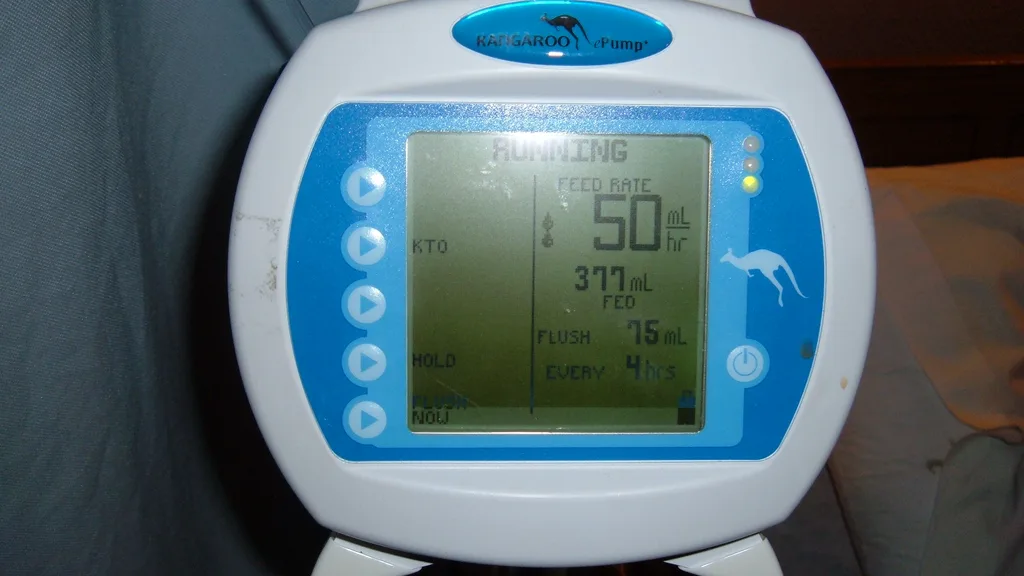
The slow drip rate is not caution for its own sake. It is the only way to make the infusion tolerable.
How it compares
Against its own precursors
Nicotinamide riboside and nicotinamide mononucleotide are taken by mouth, cross membranes, and reliably raise measured NAD+. If the goal is raising NAD+, this is where the evidence actually sits.

.jpg)
Against MOTS-c and SS-31
MOTS-c and SS-31 are peptides marketed for mitochondrial function. All three share a category and nothing else: they are unrelated molecules with separate evidence bases.
Common questions
Is it a peptide?
No. It is a coenzyme, a completely different class of molecule, sold alongside peptides.
Is the drip better than a capsule?
That is the claim, and the evidence for it is weak. Infused NAD+ appears to be broken down before it reaches cells, while oral precursors reliably raise measured levels.
Why does the drip feel unpleasant?
Chest tightness and nausea during infusion are common and expected, which is why the drips are run slowly.
Do levels really fall with age?
Yes, that part is well established. What follows from restoring them pharmacologically is the open question.
Last reviewed .