Peptides/Sold alongside peptides
Methylene blue
Also sold as Methylthioninium chloride, Provayblue
A 150-year-old dye that is also a real emergency medicine, now sold in dropper bottles for focus and mitochondrial function.
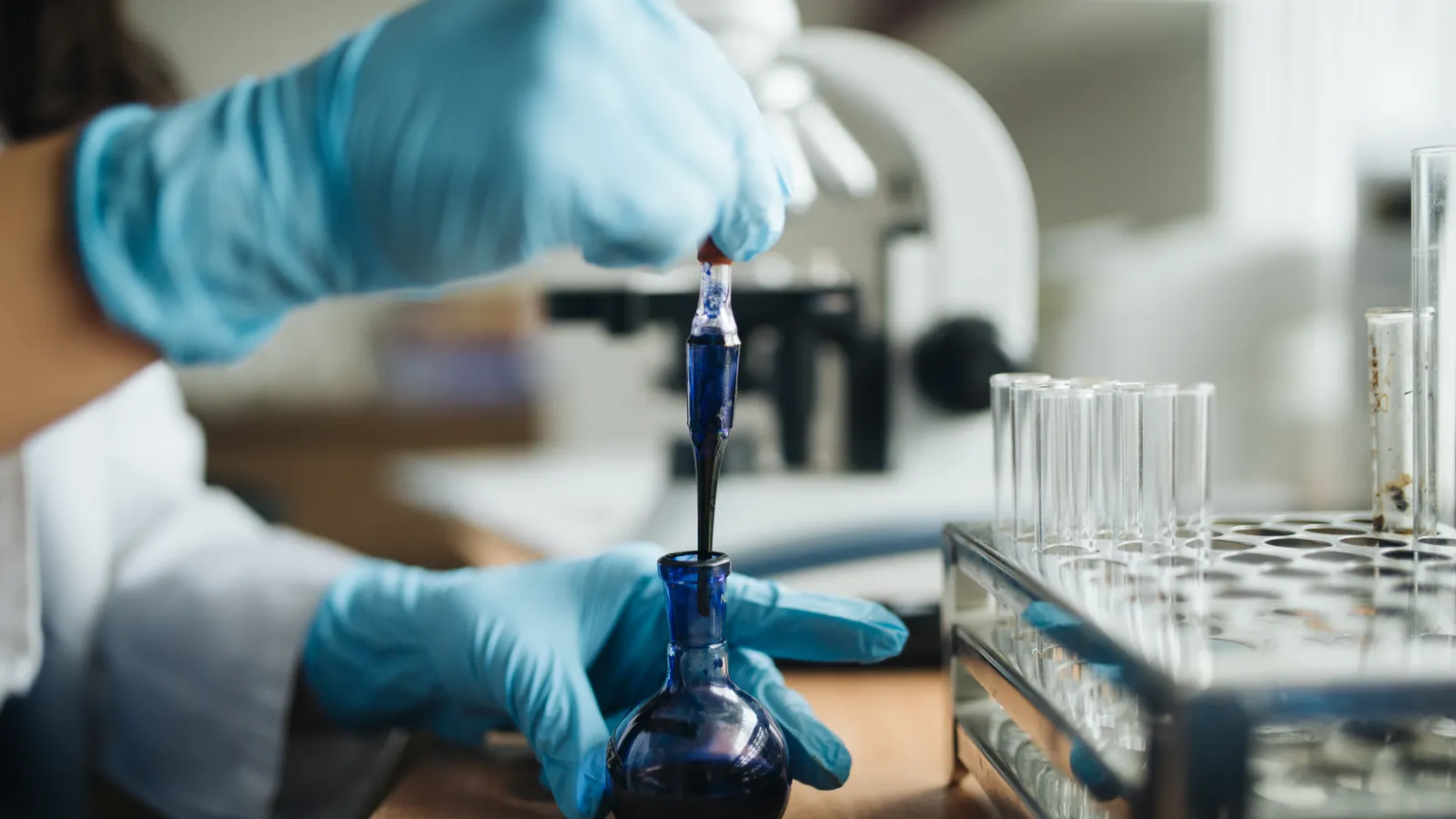

At a glance
What people use it for
- Methaemoglobinaemia, its approved emergency use
- Marketed for focus, mood and mitochondrial function
- Promoted for long COVID and brain fog
How it is taken
An intravenous medicine in hospital. Sold online as drops taken by mouth, at much lower concentrations.
Evidence
Mixed human studies
Best known for
- First synthesised in 1876, the oldest compound covered here
- A genuinely useful modern antidote, on essential medicines lists
- Can act as an alternative electron carrier in the respiratory chain
- Works quickly and reliably for the condition it is approved for
Methylene blue is not a peptide. It is a synthetic dye first made in 1876, and it has the unusual distinction of being both the oldest compound on this site and a genuinely useful modern medicine.
Why people are talking about it
Two reasons, and they pull in different directions. The first is that it works: as an antidote for methaemoglobinaemia it is fast, reliable and on national essential medicines lists.

The second is the mitochondrial story. At low concentrations methylene blue can act as an alternative electron carrier in the respiratory chain, effectively routing around a congested step. That is a real piece of chemistry, and it is what the focus and energy marketing is built on.
What people take it for
In hospital, one thing. Beyond it, several.
Methaemoglobinaemia
The approved use is treating methaemoglobinaemia, a condition in which haemoglobin is chemically altered so that it cannot release oxygen to tissue. The mechanism is direct: methylene blue acts as an electron carrier that converts the altered haemoglobin back to its working form.
In practice it is an antidote, given intravenously, and it works quickly. This is well-established emergency medicine.
Focus, mood and brain fog
The claim is sharper thinking and more energy, on the electron-carrier mechanism above.
What that looks like to a person is the part nobody has established. Small studies have looked at cognition and mood, results have been mixed, and a large programme built on a related molecule for Alzheimer's disease did not succeed in phase 3.
What the evidence shows
For methaemoglobinaemia, strong and long-standing.
.jpg)
For cognition and mood, thin and mixed. A derivative, LMTM, was taken through large phase 3 trials in Alzheimer's disease and did not succeed. Small imaging and cognition studies in healthy adults have reported effects that have not been reliably replicated. For long COVID and fatigue, there is no controlled evidence of benefit.
It also stains, thoroughly and memorably. Urine turns blue-green, and teeth, skin and surfaces mark readily. Nausea, headache and dizziness are commonly reported at higher amounts.
Grade matters
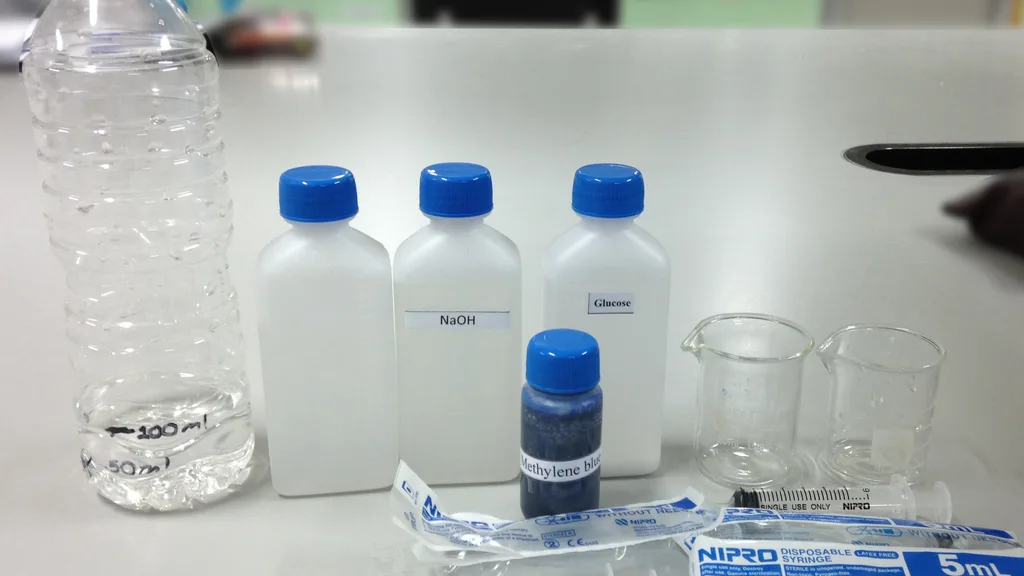
Methylene blue is sold as an aquarium treatment, as a laboratory stain and as a pharmaceutical. These are not the same product.
Non-pharmaceutical grades can carry heavy metal contaminants at levels that are irrelevant for dyeing a microscope slide and not acceptable for swallowing. It is one of the few cases on this site where the grade printed on the bottle changes the chemistry in the bottle.
How it is taken
The licensed route is intravenous, in hospital, at doses calculated for an acute emergency. What is sold for the wellness uses is drops taken by mouth at a small fraction of that.
How it compares
Against the mitochondrial peptides
MOTS-c and SS-31 are peptides aimed at mitochondrial function by entirely different routes. Methylene blue is the only one of the three with a licensed medical use, and the only one that is not a peptide at all.

.jpg)
Against the Alzheimer's programme
LMTM was the serious attempt to turn this chemistry into a cognitive medicine, with full-scale phase 3 trials behind it. It did not succeed, and that is the most informative single fact about the cognitive claims.
Common questions
Can I take it with my antidepressant?
This is the interaction that can be fatal, and it applies to SSRIs, SNRIs and other serotonergic medicines. Ask a doctor before anything else.
Is aquarium grade the same?
No. It is not manufactured to standards intended for human consumption.
Does it help brain fog?
There is no controlled evidence that it does, and the Alzheimer's programme built on a related molecule did not succeed.
Will it really stain everything?
Yes. Blue-green urine is expected, and teeth and surfaces mark easily.
Last reviewed .