Peptides/Skin and hair
Argireline
Also sold as Acetyl hexapeptide-8, Acetyl hexapeptide-3
The peptide marketed as topical Botox for expression lines, and the most widely used active in the whole of peptide skincare.

At a glance
What people use it for
- Softening forehead lines and crow's feet
- A needle-free alternative to injectables
- Maintaining results between Botox appointments
How it is taken
Applied to the skin in a serum or cream, usually at 5% to 10%.
Evidence
Mixed human studies
Best known for
- The most widely used peptide in skincare
- Targets the same signalling machinery botulinum toxin blocks
- Studies report 15% to 30% reductions in measured wrinkle depth
- Well tolerated, and pairs easily with a retinoid routine
Argireline is a six amino acid chain designed to interfere with the same signalling pathway that botulinum toxin blocks, the one that tells a muscle to contract. Hence the nickname.
It is the most heavily marketed peptide in skincare, which makes it worth understanding properly rather than taking at face value in either direction.
Why people are talking about it
The comparison in the nickname does a lot of work. The idea of a serum that softens expression lines without a needle is genuinely appealing, and unlike most such claims this one rests on a real shared mechanism rather than a marketing invention.
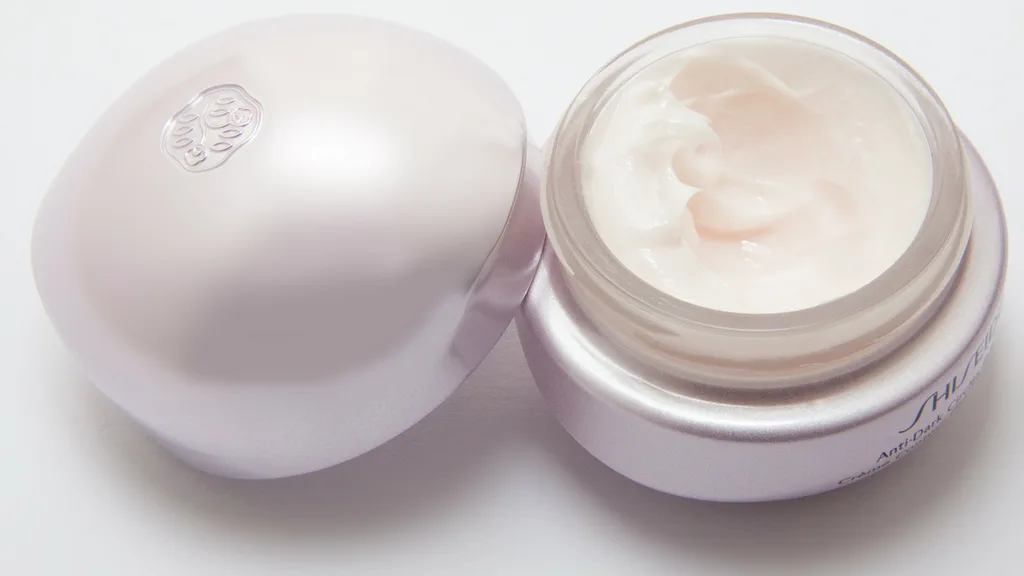

It is also the peptide most people meet first. If you have bought a serum advertising peptides, there is a good chance this was the one in it.
What people use it for
Expression lines, particularly across the forehead and around the eyes. It appeals to people who want something in that direction without needles, and to people stretching the gap between appointments.
Softening expression lines
The claim is that lines formed by repeated movement look shallower. The mechanism is interference with the SNARE protein complex that muscle cells use to release acetylcholine, which is the same machinery botulinum toxin disables, by a different and much gentler route.
In practice that describes muscle signalling being turned down slightly rather than switched off. Studies have reported reductions in wrinkle depth in the region of 15% to 30% over a month or two.
A needle-free alternative
The claim is that a serum can stand in for an injection. The mechanism is the same in outline and the difference is entirely in delivery.
An injection places the active inside the muscle. A cream has to cross the outer layer of skin and reach far enough down to matter, and peptides are large and water-loving, which is the harder combination for skin penetration.
Maintaining results between appointments
The claim is that it extends the interval before the next injection, on the reasoning that a weak version of the same mechanism keeps a strong version going for longer. That is plausible and it has not been measured as an outcome.
What the evidence shows
The mechanism is real, and the compound genuinely does what it says at the cellular level. Studies have shown reductions in wrinkle depth with regular use, often in the range of 15% to 30% over four to eight weeks.

.jpg)
The published studies are small and short, and the percentage reductions quoted in marketing come from instrumental measurements of wrinkle depth rather than from what a person sees in a mirror. Most independent assessments put the real-world effect as noticeable but modest.
It is well tolerated. Mild tingling or redness are the usual reports, more often in sensitive skin and in high-concentration serums, and there is no evidence of the muscle weakness associated with injections.
How to read the label
Concentration is the number that matters. Studies used solutions around 5% to 10% of the trade material, and a product that lists the ingredient without a percentage is usually using very little.
The trade name may be Argireline, Argireline Amplified or a similar variant, and the underlying ingredient is acetyl hexapeptide-8, previously named acetyl hexapeptide-3. All three names refer to the same peptide.
Position on the ingredient list is the crude check. An active appearing after the fragrance and the preservative is present in trace amounts.
How it compares
Against botulinum toxin
An injection places a potent compound inside the muscle and produces an unambiguous result for three to four months. Argireline shares part of the mechanism and works at the surface, so the two sit in different categories rather than in competition.

Against retinoids and sunscreen
Both have stronger evidence for lines than any cosmetic peptide, and both are widely available. Argireline works well as an addition to a routine built on those two.
Against Matrixyl
Matrixyl targets collagen signalling rather than muscle signalling, so the two are often combined in the same product. Both are gentle, both are modest, and they address different things.
Common questions
Is it really topical Botox?
It shares part of a mechanism. The delivery is entirely different, and so is the size of the effect.
How long before I see anything?
The studies ran for four to eight weeks of daily use. Any effect is gradual, and it reverses when use stops.
Can I use it with a retinoid?
Yes, and that combination is common. Irritation is the only usual reason to separate them across the day.
Is a higher percentage better?
Up to a point. The published work does not support pushing far past the concentrations studied, and very high percentages mostly increase irritation.
Last reviewed .